For companies with their own vehicle fleets, generators, or industrial equipment, purchasing diesel fuel wholesale is often more cost-effective than making frequent small-volume purchases. However, building an on-site fuel reserve requires proper organization, from selecting storage tanks to monitoring inventory and maintaining accurate records.
Why Businesses Switch to Wholesale Fuel Purchases
Maintaining their own fuel reserves allows businesses to:
This approach is particularly relevant for agricultural businesses, construction companies, logistics operators, and industrial facilities.
What to Consider When Setting Up a Fuel Storage Facility
1. Calculate the required reserve volume. Start with average daily fuel consumption. Consider the number of vehicles, fuel consumption per unit of equipment, generator operating hours, and seasonal changes in workload.
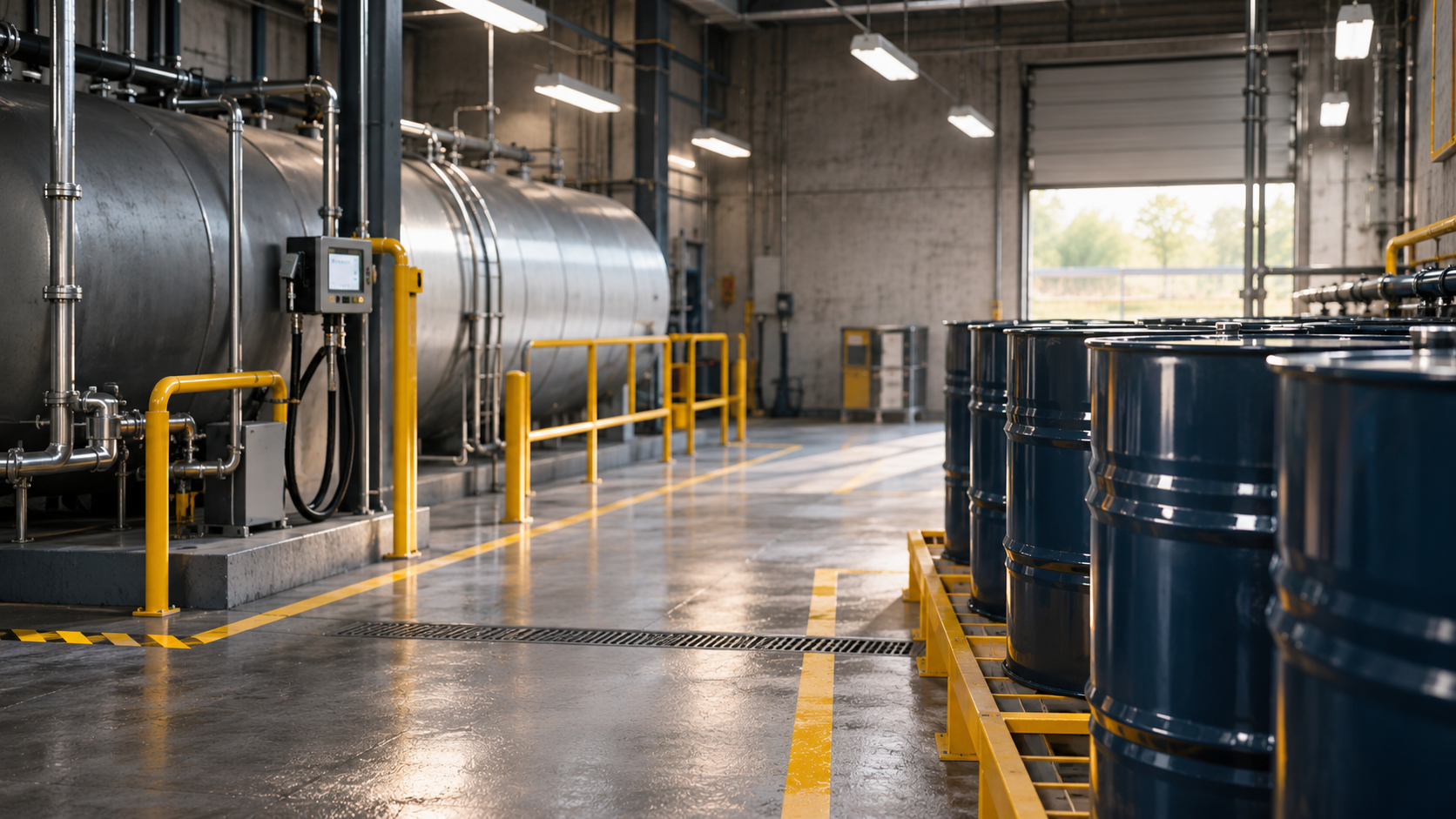
2. Choose appropriate storage tanks. Diesel storage tanks must comply with safety requirements. It is important to protect fuel from water, dust, and other contaminants, as well as ensure that storage equipment is properly sealed.
3. Implement fuel accounting. Businesses need to track the volume of fuel received, consumed, and remaining in storage. Automated accounting systems, tank-level sensors, and electronic fuel dispensing logs can help manage inventory accurately.
4. Comply with legal requirements. In Ukraine, fuel storage is regulated by Law No. 3817-IX. Depending on the purpose, volume, and location of storage, a business may need a relevant license or have to meet other statutory requirements.
In January 2026, the State Tax Service of Ukraine separately reminded businesses that simplified rules apply to fuel stored for refueling power generators: up to 2,000 liters per site may be stored without a license or declaration, while larger volumes require a declaration. Before setting up a fuel storage facility, businesses should verify the current legislation and the requirements applicable to their specific operations.
How Digitalization Helps Control Fuel Costs
Automated fuel accounting enables businesses to monitor actual consumption, track inventory levels, and identify discrepancies between purchased and consumed volumes.
For companies operating large vehicle fleets, this is particularly important. Digital tools make it possible to analyze fuel consumption by vehicle, facility, and business activity.
Wholesale Fuel Supply as Part of Efficient Fuel Management
Effective inventory management starts with proper purchasing planning. A reliable supplier should offer not only competitive prices but also agreed volumes and predictable delivery schedules.
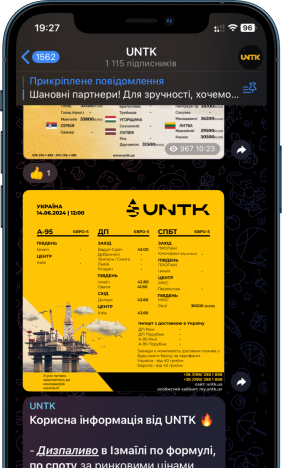
UNTK provides wholesale supplies of diesel fuel, A-92 and A-95 gasoline, and SPBT LPG for businesses. Order fuel starting from 15,000 liters, delivered across Ukraine using our own tanker trucks, and plan purchases according to your company's operational needs.